Main Deity:
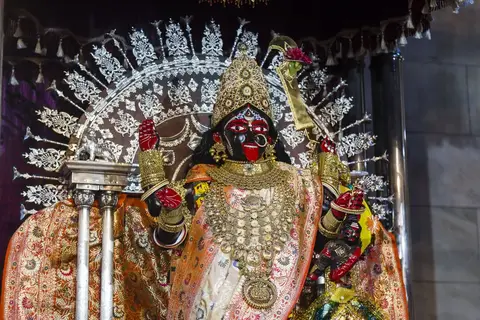
Mata Harsiddhi (An incarnation of Goddess Parvati/Durga). It is the 13th Shaktipeeth, where the elbow of Goddess Sati is said to have fallen. Goddess Harsiddhi is worshipped as a powerful deity who fulfills the wishes of her devotees and provides protection. The temple has also been associated with King Vikramaditya, who is believed to have been a great devotee of the goddess.
2. Other Deities (Sub Deities)
- Shree Yantra (Sacred symbol within the main temple)
- Annapurna Devi
- Lord Ganesha
- Lord Hanuman
- Lord Shiva (In various shrines within the complex)
Opening & Closing Timing of the Temple:
General Timings: 5:00 AM to 11:00 PM
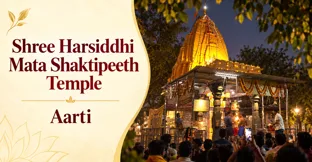
Morning Aarti: 7:00 AM to 8:00 AM
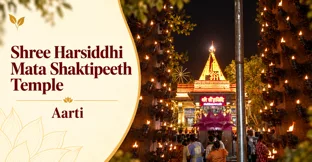
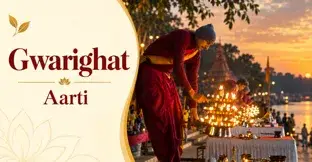
Evening Aarti: 6:00 PM to 7:00 PM (Coincides with the lighting of the Deep Stambhs)
Is there any Entry Fees:
No. Entry for general Darshan is free for all devotees.
Location- How to Reach/Commuting
- Flight: Devi Ahilyabai Holkar International Airport, Indore is the nearest airport, approximately 55 km from the temple.
- Train: Ujjain Junction is the nearest major railway station, located about 2-3 km away.
- Bus: Ujjain is well-connected by state and private buses from Indore, Bhopal, and Omkareshwar. The main bus stand is Dewas Gate (approx. 3 km away).
- Taxi/Local: Taxis, E-rickshaws, and auto-rickshaws are readily available from the airport, railway station, and bus stands to reach the temple. The temple is within walking distance from the Mahakaleshwar Temple.
Special Poojas/ rituals being performed: provide the Days & Timing of these Poojas. What are the rates associated with it? What is the advance booking procedure?
The Deep Malika- This is the ritual where two 15-foot towers are lit with over 1,000 oil lamps.
- Days: Performed daily, provided there is a devotee sponsorship.
- Timing: During the Evening Aarti (approx. 6:30 PM - 7:30 PM, varying slightly with sunset).
- Rates: The cost for lighting both towers is approximately ₹15,000 to ₹25,000. This covers the cost of oil, wicks, and the specialized labor required to climb and light the towers.
- Advance Booking: This is the most difficult ritual to book. During peak times like Navratri, the waiting list can extend several years (sometimes 5-10 years) in advance. On regular weekdays, you might find slots with a few months of notice.
- Procedure: You must visit the Temple Trust Office located within the temple premises to check availability and pay the donation.
Apart from the daily aartis, devotees also perform various special prayers and rituals at the temple based on their individual beliefs. During Navratri, the temple becomes particularly active with extended rituals, recitations, and devotional activities.
Any online service exists for serving the customers? If yes by whom?
There is no official online service or booking system specifically for poojas or rituals at Harsiddhi Mata Temple.
While some third-party platforms or local services may assist with arrangements, devotees generally visit the temple directly for darshan and to coordinate any rituals or offerings.
Any specific Dress Code prescribed for entry to the place - men /women/for spl puja and festival days?
There is no very strict or highly enforced dress code, but visitors are expected to dress modestly as it is a religious place.
For men: Shirt with trousers, dhoti, or traditional wear is considered appropriate
For women: Saree, salwar suit, or other modest traditional attire is preferred
Avoid: Shorts, sleeveless tops, or revealing clothes.
Are Electronic Gadgets allowed? Which all? If mobile /gadgets are not allowed where it can be deposited in or near the temple premises?
At the temple, electronic gadgets such as mobile phones and smartwatches are permitted within the outer temple complex and courtyard. Visitors are allowed to photograph the Deep Stambhs (lamp towers) and the Maratha-style architecture, but photography and videography are strictly prohibited inside the Garbhagriha (inner sanctum). For devotees who prefer to secure their belongings or are also visiting the adjacent Mahakaleshwar complex (where all electronics are banned), a centralized cloakroom and locker facility is available at the nearby Mahakal Lok corridor. Alternatively, smaller deposit counters for mobile phones are located near the Harsiddhi temple entrance, where items can be stored safely for a nominal fee or as part of the shoe-stand service.
Is Photography allowed? If yes, any fee prescribed?
Photography is permitted in the outer courtyard of the Harsiddhi Mata Temple, and there is no prescribed fee for the same. Visitors often capture the twin Deep Stambhas here. However, photography and videography are strictly prohibited inside the garbhagriha (sanctum) to maintain the sanctity of the space.
Is there a LIFT /Elevator or any other facility for the physically handicapped?
There is no lift or elevator facility at the Harsiddhi Mata Temple. The temple is fairly easy to move around, but there are a few steps in certain areas.
There aren’t any clearly defined facilities specifically for physically challenged visitors, so it’s better to come with someone if assistance might be needed.
Facility of WheelChair for elderly and physically challenged?
There is no lift or elevator available at the temple. While the outer courtyard is wheelchair accessible, the inner sanctum involves a few stone steps that require manual assistance for the elderly or physically challenged.
Special entry/ Special Timing of Darshan for Sick/ Senior Citizens /Physically Challenged persons?
There are no official separate special entry tickets or designated VIP timing specifically for seniors or the sick at Harsiddhi Mata Temple. However, temple security and priests consistently provide priority passage through the exit gate or shorter side-lanes upon request for those with visible mobility issues or medical conditions.
Is Vehicle Pooja Performed. If yes what time? Cost?
While Vehicle Pooja is not a primary or official ritual at the Harsiddhi Mata Temple, small blessings can sometimes be arranged through local priests near the entrance during the morning hours (8:00 AM-11:00 AM). However, for a formal and dedicated Vehicle Pooja with established rates, most devotees in Ujjain traditionally visit the Chintaman Ganesh Temple, which is the specialized site for this purpose.
Does the temple provide accommodation facilities to the pilgrims? If yes, what are the types of such facilities? What is the cost? How to book in advance?
While the Harsiddhi Mata Temple does not have its own guest house, pilgrims typically stay at the Shri Mahakaleshwar Bhakt Niwas or the Madhav Seva Nyas, both of which are within walking distance (approx. 500m). These facilities offer a range of options including Non-AC rooms, AC rooms, and large family halls. Advance bookings are highly recommended during Navratri and can be made through the official Shri Mahakaleshwar Temple website (shrimahakaleshwar.mp.gov.in) or via third party platforms like YatraDham.org.
What is the parking place for those who come by 4 cars, mini bus and two wheelers ?
Heavy vehicles, including tourist buses and mini-buses, are strictly prohibited from entering the narrow lanes directly surrounding the temple. They must park at the Karkaraj Parking or Narsingh Ghat Parking (approx. 1 km away). From these lots, pilgrims typically hire e-rickshaws for a nominal fee (₹10-₹20 per person) to reach the Harsiddhi Gate. Those arriving in private cars or two-wheelers can use the Mahakal Lok Multi-level Parking or the dedicated municipal Pay & Park lots located near the Triveni Museum and the Harsiddhi temple entrance.
Temple Prashad services- Meals-procedure, payments if any, different class/lines? How to buy the ticket, if needed and timings?
There is no internal meal facility at the Harsiddhi Mata Temple. Pilgrims usually visit the nearby Mahakaleshwar Temple Annakshetra, where meals are served free of cost to all visitors.
There are no separate classes, paid lines, or special tickets for these meals. Everyone follows a common queue, which may get crowded but generally moves smoothly.
For offerings, prasad such as laddoos and pedas can be purchased from shops located outside the temple premises at fixed prices. These do not require any prior booking.
What is the procedure for reporting items lost in a temple?
If you lose an item at the Harsiddhi Mata Temple, inform the temple staff or security at the entrance immediately. For valuable items, it is advisable to file a report at the nearest police station. The temple is under CCTV surveillance, which may help in locating the item if reported in time.
If any one of the group members is missing, how to report and where to wait for them?
If a group member goes missing at the Harsiddhi Mata Temple, inform the temple staff or visit the temple office to make an announcement. You may need to provide basic details like the person’s name and description.
While waiting, it is best to gather near easily identifiable spots such as the Deep Stambhs or the main entrance. If the person is not found, the matter can be reported to the nearby police chowki outside the temple.
Is this temple registered under the state govt/District administration? Provide if the information is visible on the site?
The Harsiddhi Mata Temple falls under the administrative jurisdiction of the District Administration of Ujjain and the Government of Madhya Pradesh.
While it is an important Shaktipeeth, its management and security are also coordinated with local authorities, including the Ujjain Municipal Corporation and the Shree Mahakaleshwar Temple Management Committee, especially due to its location within the Mahakal temple area.
How can one make Donations, (apart from Hundi offerings in the temple) to whom and which bank account and for what all purposes?
Donations at the Harsiddhi Mata Temple can also be made through the temple trust office located within the premises. These are typically managed by the temple’s administrative body responsible for maintenance and related activities.
Devotees can contribute through cash, cheque, or other accepted modes at the official counters, where receipts are provided. In some cases, digital payment options such as UPI may also be available at authorized locations within the temple.
Donations are generally used for purposes such as temple maintenance, lighting of the Deep Stambh and development of facilities for pilgrims.
Structural Engineering of the Twin Deepstambhas
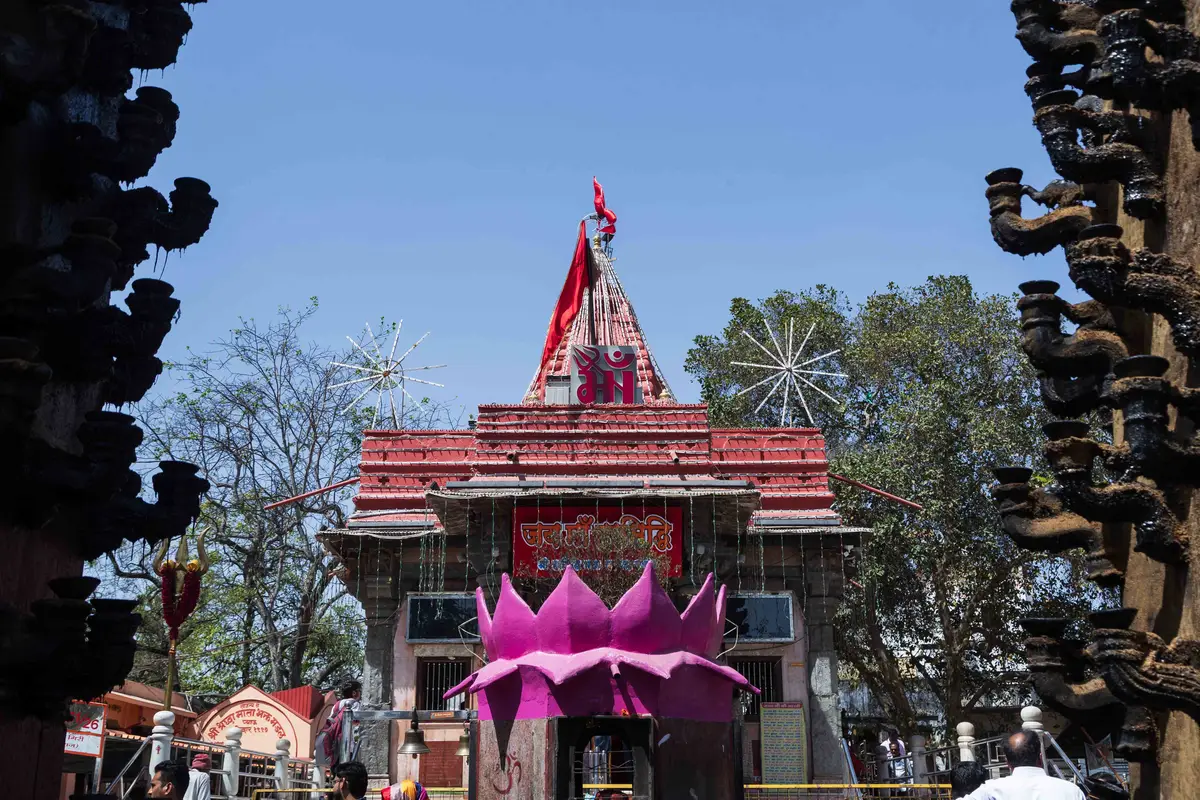
The most striking scientific feature of the temple is the pair of towering Deepstambhas (Lamp Towers) standing in the courtyard, which date back to the 18th-century Maratha period. These towers stand approximately 15 meters (50 feet) tall and are engineered from a combination of high-density basalt stone and iron rungs. Each tower contains exactly 726 lamp holders, designed to support a total of 1,452 oil lamps lit simultaneously during the evening Aarti. The scientific marvel lies in their structural balance and thermal resistance; the masonry is specifically designed to manage the collective heat and weight of the lamps and the sevaks (temple workers) who scale the exterior rungs at high speeds. This vertical alignment creates a pillar of light effect that was historically used as a geographical beacon for pilgrims entering Ujjain.
Maratha Architectural Style and Thermal Design
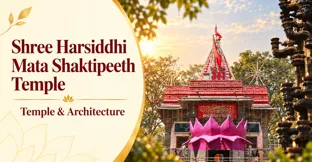
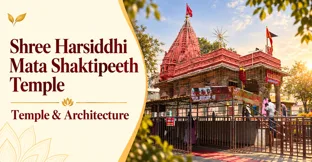
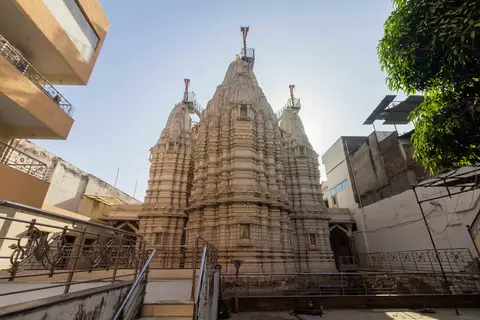
While the site is an ancient Shakti Peeth, the current structure is a masterpiece of Maratha architecture reconstructed under the patronage of the Scindia dynasty. The temple features a prominent red Shikhara (spire) with tiered moldings and ornate plasterwork, which is a hallmark of medieval Maratha temple design. Architecturally, the use of thick basalt stone walls serves a functional scientific purpose by providing natural thermal insulation. This ensures that the garbhagriha (sanctum) remains significantly cooler than the external environment, even during Ujjain's peak summer temperatures.
Sacred Geometry and the Shri Yantra Alignment
The internal layout and spiritual core of the temple are based on the sacred geometry of the Shri Yantra, a complex Vedic figure consisting of nine interlocking triangles. The sanctum is not merely a room but a scientifically aligned energy center where a physical Shri Yantra is enshrined. According to Vastu Shastra, this geometric arrangement is intended to focus and amplify sound vibrations (mantras) and cosmic energy within the temple. Furthermore, the temple has a unique vertical hierarchy of deities: the idol of Maa Harsiddhi is at the top, followed by Mahalakshmi in the middle and Mahasaraswati at the bottom. This tiered placement is unique to the Shakta tradition and is designed to represent the different layers of consciousness and energy flow.
Geographical Significance and Solar Alignment
The temple’s location and orientation are rooted in ancient Indian astronomical science. Ujjain is situated on the Tropic of Cancer, historically serving as the Greenwich of India for timekeeping and astronomy. The temple faces East, perfectly aligned so that during specific solar cycles, the first rays of the sun strike the complex symbolizing the awakening of divine energy. Additionally, its proximity to the Rudrasagar Lake was a deliberate hydrogeological choice. In ancient engineering, such water bodies acted as natural regulators for the ground's water table, providing a stable, moist foundation that prevented the heavy stone structures and the massive Deepstambhas from shifting over centuries.
Information which a foreigner would like to know- focussing more on spirituality rather than religion.
Information for Foreigners: A Spiritual Perspective-
Spiritual Energy: The Harsiddhi Mata Temple is associated with the concept of Shakti (divine feminine energy) and is considered one of the important Shakti Peeths. For many visitors, the space offers a sense of calm, focus, and quiet intensity, even without engaging in religious practices.
Cultural Practices: One of the most notable rituals is the lighting of the Deep Stambhs (lamp towers) during the evening aarti. Watching the lamps being lit, along with the sounds of bells and drums, creates a powerful and immersive atmosphere that can be appreciated across cultures.
Historical Context: The temple is traditionally linked with King Vikramaditya, who is believed to have been a devotee of the Goddess. This association adds to the cultural and historical depth of the site.
Meditative Environment: The presence of sacred elements such as the Shri Yantra, along with the overall layout of the temple, creates a space that encourages stillness and reflection. Visitors often choose to sit quietly and observe, making it suitable for personal moments of introspection.
Community Involvement: The temple remains an active centre of worship where local devotees regularly participate in rituals and festivals. This offers visitors an opportunity to witness living traditions and the role of community in maintaining the temple’s spiritual character.
Annual Event of the temple day and date
These are the major festivals celebrated at the Harsiddhi Mata Temple and attract a large number of devotees:
- Chaitra Navratri: Celebrated during the spring season, marking the beginning of the Hindu New Year. The temple observes nine days of special pooja, rituals, and havans dedicated to the Goddess.
- Sharadiya Navratri: The most important annual festival at the temple. During these nine days, the Deep Stambhs are beautifully lit, creating a striking and devotional atmosphere.
- Dussehra (Vijayadashami): Celebrated as the victory of good over evil, with special rituals and traditional ceremonies associated with the temple’s historical background.
- Maha Shivaratri: Celebrated in connection with the nearby Mahakaleshwar Jyotirlinga, with prayers and rituals dedicated to both Shiva and Shakti.
- Deepavali: The temple is decorated with lights and special prayers are offered, creating a festive and vibrant atmosphere.
Monthly Event of the temple - day and date
These rituals take place regularly based on the lunar calendar
- Shukla Ashtami: Traditionally the most auspicious day of the month for the Goddess. Special Shringar (decoration of the deity) and Durga Saptashati paths are conducted.
- Purnima: A day of high spiritual vibration. The evening Aarti is particularly crowded, and many devotees choose this day for the lighting of the lamp towers as an act of gratitude.
- Amavasya: Considered a critical time for protection rituals. In the Shakta tradition, this night is dedicated to removing obstacles and negative energies through specific Tantric-style offerings.
- Masik Shivaratri: Occurring on the 14th day of the waning moon, this monthly event sees a synchronized flow of devotees between the Mahakal and Harsiddhi shrines..