
Why devotees come here
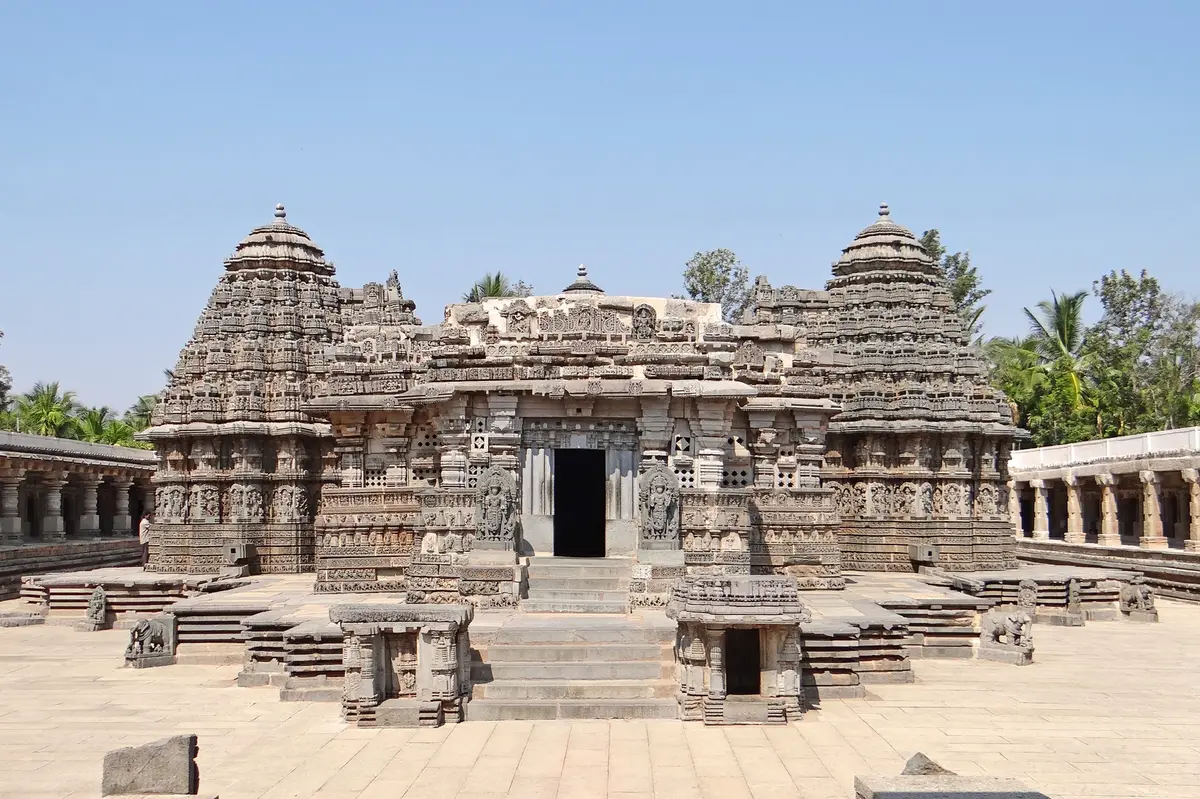
The Chennakeshava Temple stands on the banks of the River Kaveri at Somanathapura, 38 km east of Mysuru city. It is a Vaishnava temple in the Hoysala style, and its walls carry long friezes from the Ramayana, Mahabharata and Bhagavata Purana.
The temple was consecrated in 1258 CE under Somanatha Dandanayaka, a general of the Hoysala King Narasimha III. Its ornate design is a model of Hoysala architecture, and it is one of the finest surviving examples of that style in Karnataka.
The main temple stands on a high star-shaped platform, with three symmetrical sanctums set in a square. Each sanctum is dedicated to a form of Vishnu. The Keshava shrine no longer has its image, while the other two house Janardhana and Krishna as Venugopala. The temple is carved from soapstone, a green-grey stone that is soft in the quarry and hardens after exposure to air.
The walls, pillars and ceilings carry friezes from the Ramayana on the south, the Mahabharata on the north and the Bhagavata Purana on the western section of the main temple. Vijayanagara emperors gave grants for repairs in the 16th century. Damage in the 19th century was repaired in the early 20th century by the Mysore government. The sanctum no longer houses its original idols, but the temple still holds spiritual importance as a historic Vishnu temple.
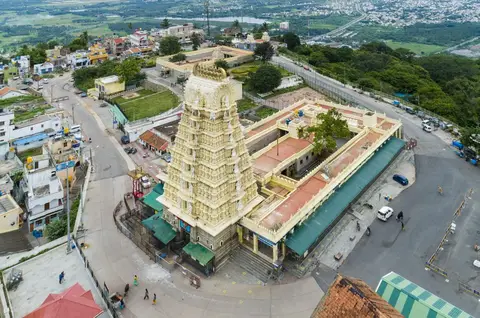 In the appChamundeshwari Temple, MysuruChamundi Hill, Mysuru, Karnataka
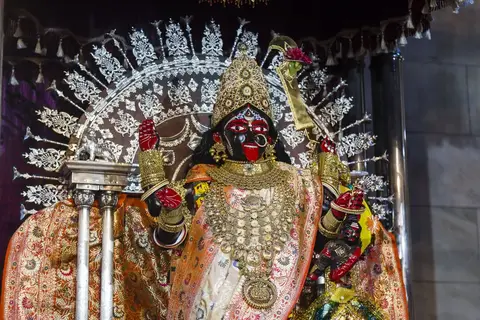 In the appDakshineswar Kali Temple, KolkataDakshineswar, North 24 Parganas, near Kolkata, West Bengal
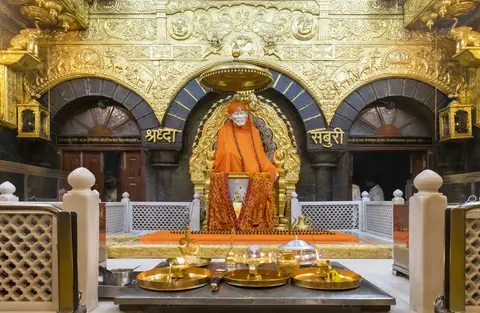 In the appShirdi Sai Baba Temple, MaharashtraShirdi, Rahata taluka, Ahilyanagar district, Maharashtra
 In the appBelur Math, West BengalBelur, Howrah district, West Bengal
 In the appBrihadeeswara Temple, ThanjavurThanjavur, Thanjavur district, Tamil Nadu
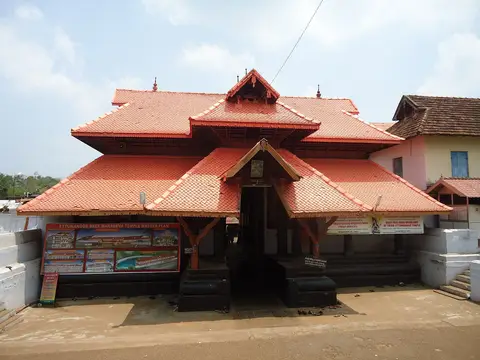 In the appEttumanoor Mahadeva Temple, EttumanoorEttumanoor, Kottayam district, Kerala
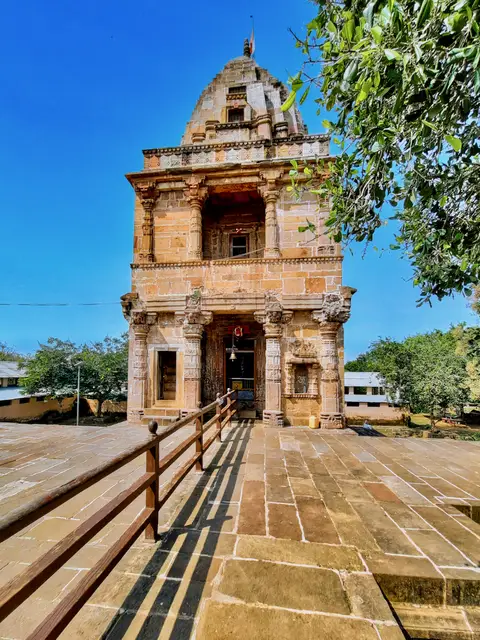 In the appGauri Somnath Temple, OmkareshwarOmkareshwar, Khandwa district, Madhya Pradesh