
Why devotees come here
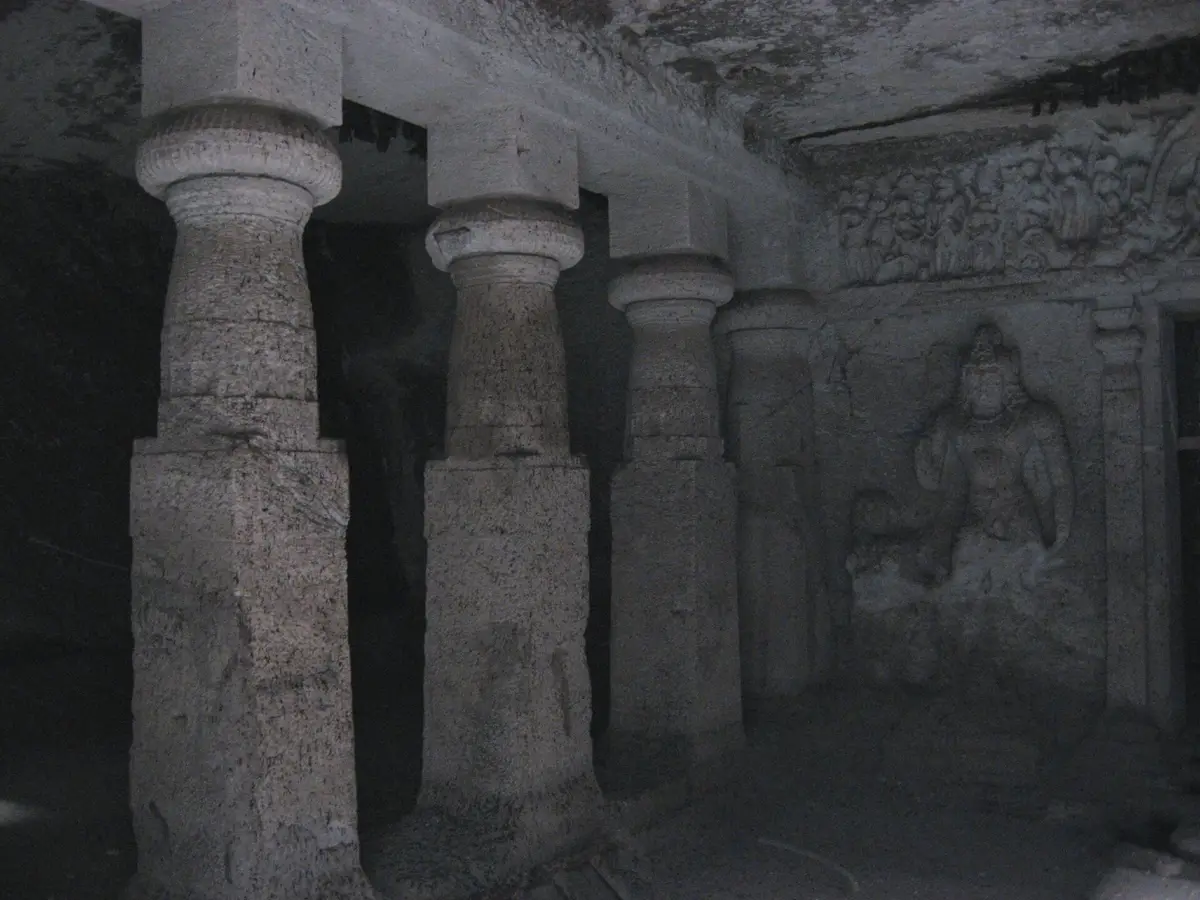
The Jogeshwari Caves are among the earliest Hindu cave temple sculptures in India, in the Mumbai suburb of Jogeshwari. Their carvings show episodes from Shaivism, and the area takes its name from Devi Jogeshwari, whose murti and footprints are inside.
Historian Walter Spink calls Jogeshwari the earliest major cave temple in India. The caves are also the earliest Pashupata caves in Mumbai. Some Marathi families regard Devi Jogeshwari as their kuladevi, a family deity, and some migrant groups from Gujarat worship her too. Her murti and footprints are in the cave, and the area is named after her.
The caves date to the sixth century, in the Chalukya dynasty. Earlier Buddhist shrines are said to have stood here in the first and second centuries BC, under the Vakataka dynasty. The carving happened during the same excavation boom that produced Ajanta and Elephanta.
Six sculptural panels show Shaiva episodes, including the marriage of Shiva and Parvati, Shiva and Parvati playing dice, and Nataraja. The main hall has many pillars and a lingam at its far end. Idols of Dattatreya, Hanuman and Ganesh line the walls.
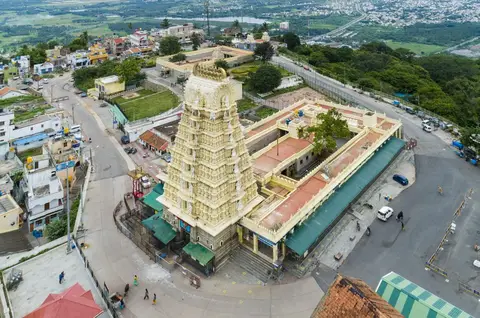 In the appChamundeshwari Temple, MysuruChamundi Hill, Mysuru, Karnataka
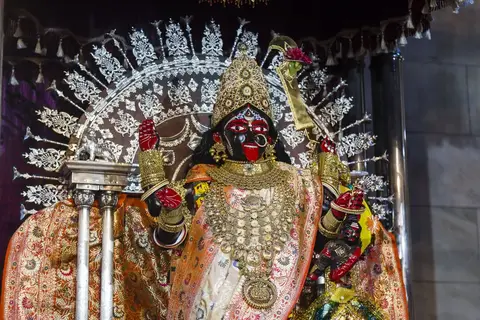 In the appDakshineswar Kali Temple, KolkataDakshineswar, North 24 Parganas, near Kolkata, West Bengal
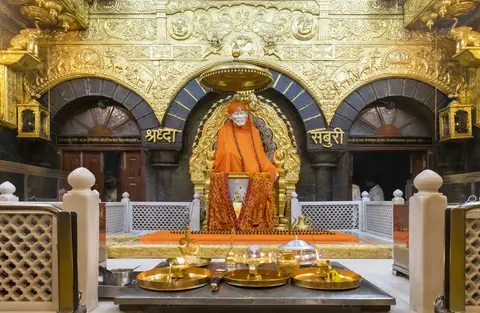 In the appShirdi Sai Baba Temple, MaharashtraShirdi, Rahata taluka, Ahilyanagar district, Maharashtra
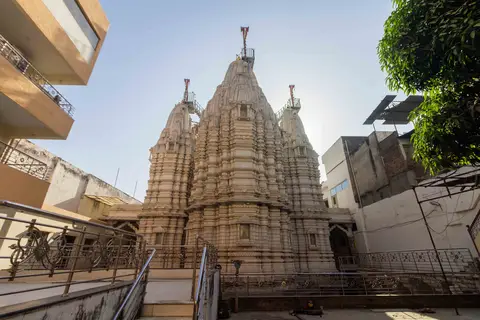 In the appAvanti Parshwanath Jain Tirth, UjjainDani Gate, Ujjain, Madhya Pradesh
 In the appBelur Math, West BengalBelur, Howrah district, West Bengal
 In the appBrihadeeswara Temple, ThanjavurThanjavur, Thanjavur district, Tamil Nadu
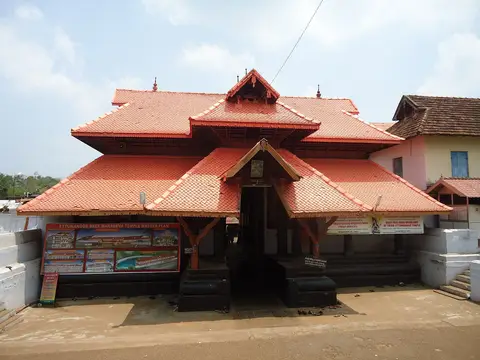 In the appEttumanoor Mahadeva Temple, EttumanoorEttumanoor, Kottayam district, Kerala