
Why devotees come here
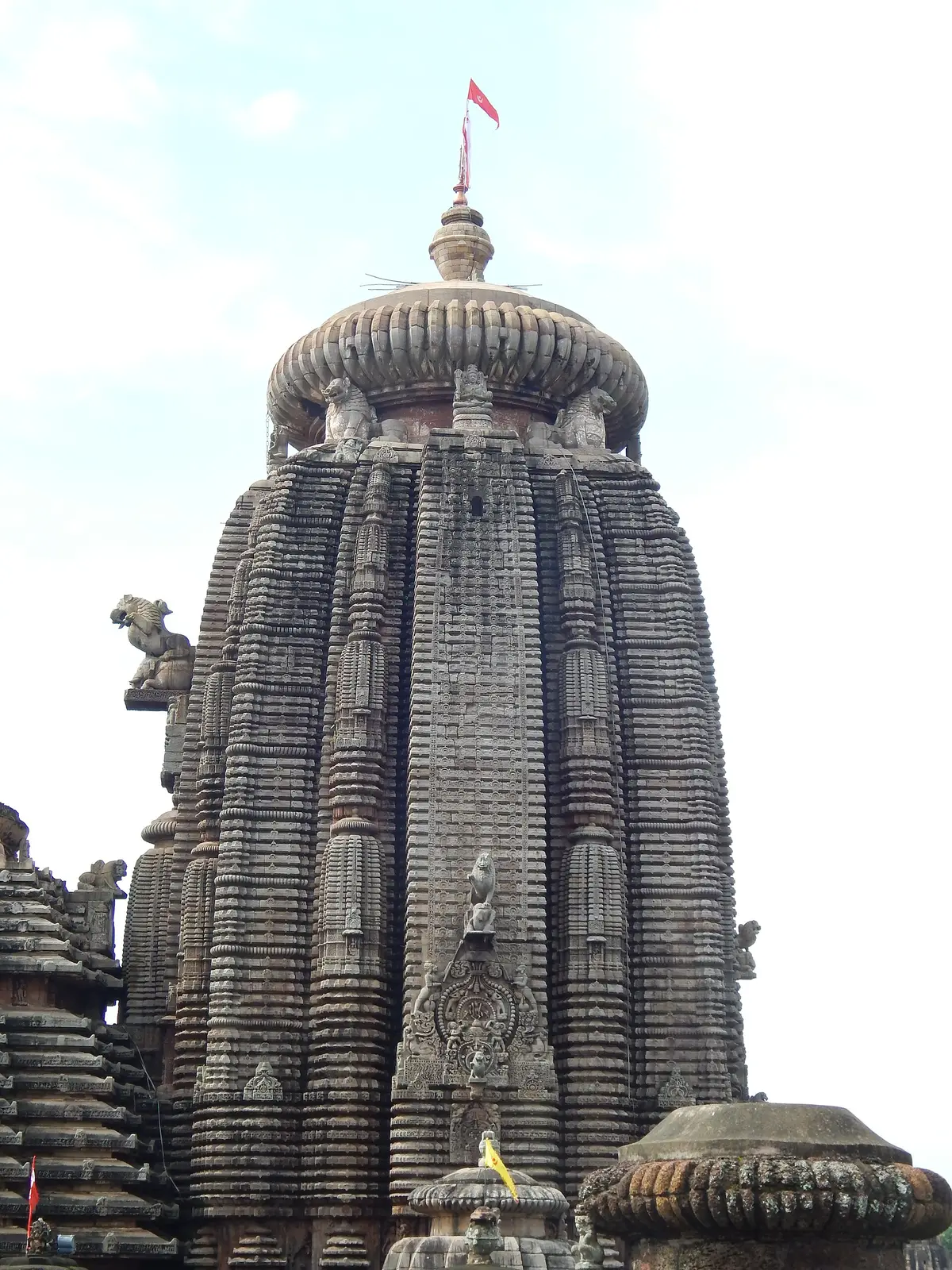
Lingaraj Temple is the largest temple in Bhubaneswar, and its tower rises 180 ft over the city. Shiva is worshipped here as Harihara, where Shaiva and Vaishnava traditions meet. Only Hindus may go inside; others can see it from a viewing platform.
Bhubaneswar is called Ekamra Kshetra, the field of the mango tree. The Ekamra Purana, a 13th-century text, says the deity of Lingaraja first stood under a mango tree. The lingam here is swayambhu, self-manifested, and Parvati is worshipped beside Shiva as Annapurna or Girija.
The present temple dates from the last decade of the eleventh century. It is believed to be the work of the Somavamsi kings, with later additions by the Ganga rulers. It is the finest example of Kalinga architecture: four halls stand in a line, the sanctum under the tower, the assembly hall, the festival hall and the hall of offerings.
Shiva is worshipped here as Harihara, joining the Shaiva and Vaishnava traditions. Legend says an underground river from the temple fills the Bindusagar tank nearby, and pilgrims take a holy dip there on festival days. The temple is maintained by the Temple Trust Board and the Archaeological Survey of India.
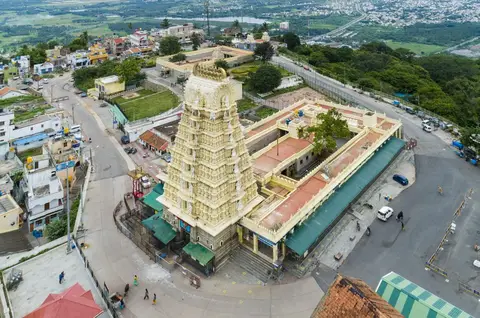 In the appChamundeshwari Temple, MysuruChamundi Hill, Mysuru, Karnataka
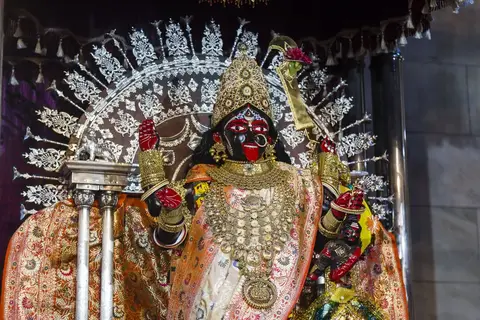 In the appDakshineswar Kali Temple, KolkataDakshineswar, North 24 Parganas, near Kolkata, West Bengal
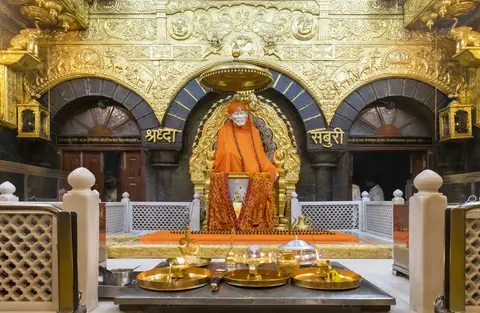 In the appShirdi Sai Baba Temple, MaharashtraShirdi, Rahata taluka, Ahilyanagar district, Maharashtra
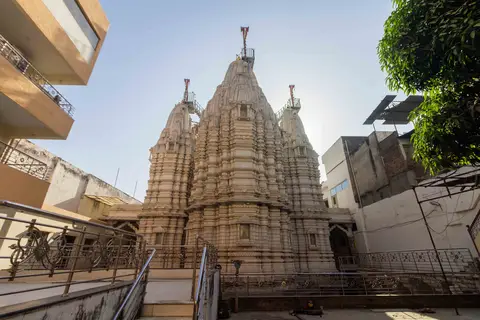 In the appAvanti Parshwanath Jain Tirth, UjjainDani Gate, Ujjain, Madhya Pradesh
 In the appBelur Math, West BengalBelur, Howrah district, West Bengal
 In the appBrihadeeswara Temple, ThanjavurThanjavur, Thanjavur district, Tamil Nadu
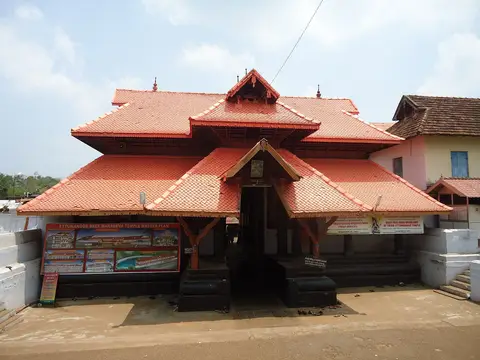 In the appEttumanoor Mahadeva Temple, EttumanoorEttumanoor, Kottayam district, Kerala