
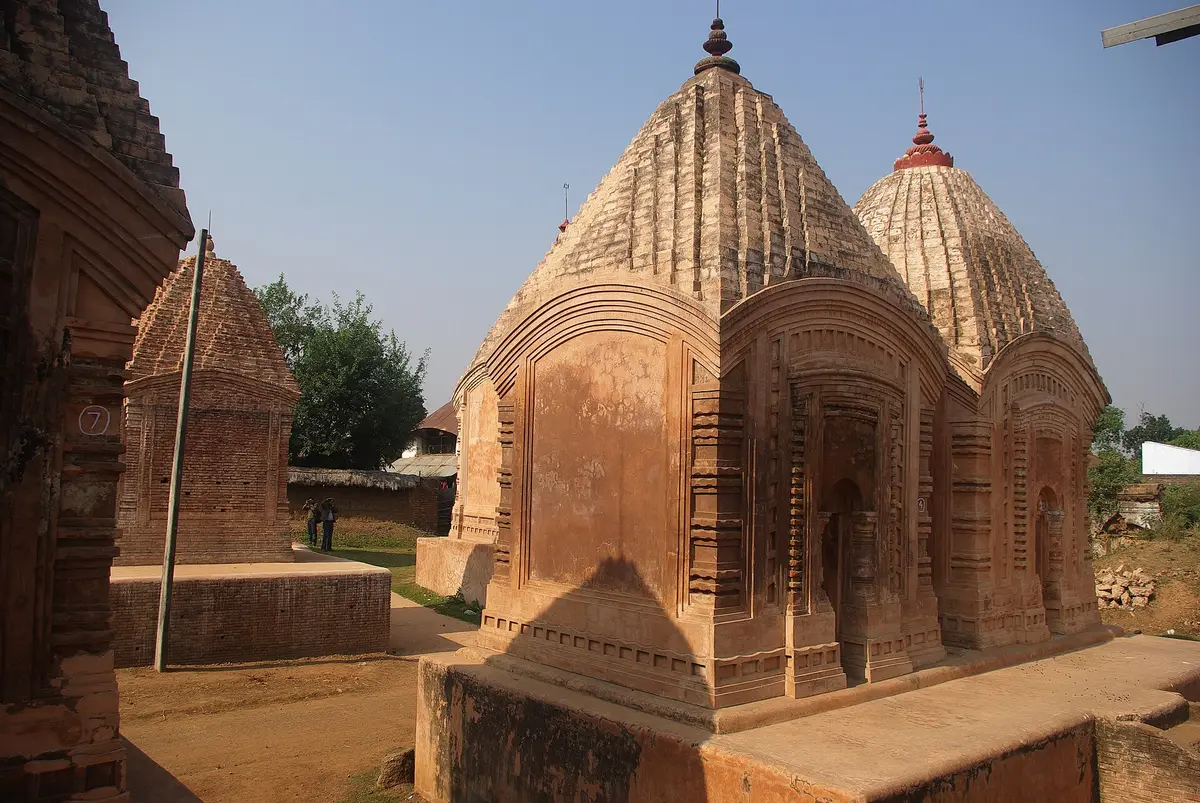
Why devotees come here
Maluti is a village in Dumka district, Jharkhand, close to the West Bengal border. Its 72 surviving terracotta temples stand in four groups, from an original 108. They were built between the 17th and 19th centuries.
Legend says a Brahmin named Basanta was granted a kingdom by the Muslim ruler Alauddin Husain Shah of Gaura, for saving the ruler's hawk, called a baj, and returning it. The Baj Basanta dynasty built these temples in Maluti, their capital, inspired by Mowlakshi, their family deity. Devotees still visit the Mauliskha temple all through the year.
The temples were built between the 17th and 19th centuries, according to the Indian Trust for Rural Heritage and Development. Basanta's family split into four clans, and they kept building in clusters in Maluti. The site was not known to the outside world until A. K. Sinha, Director of Archaeology for the government of Bihar, publicized it in 1979. The Global Heritage Fund has declared it one of the world's 12 most endangered cultural heritage sites.
The 72 temples stand in four groups in Maluti, near the border between Jharkhand and West Bengal. A river called the Chila runs through the village, and it meets the Dwarka close to Tarapith. Maluti village falls under Shikaripara police station in Dumka district.
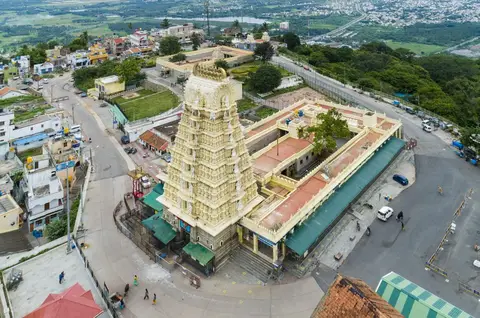 In the appChamundeshwari Temple, MysuruChamundi Hill, Mysuru, Karnataka
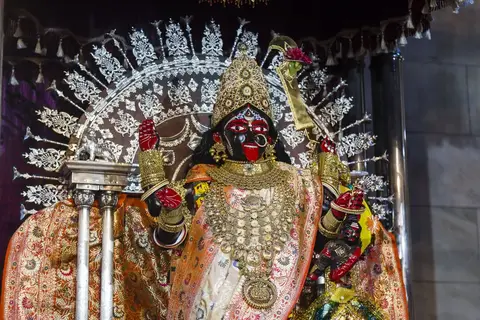 In the appDakshineswar Kali Temple, KolkataDakshineswar, North 24 Parganas, near Kolkata, West Bengal
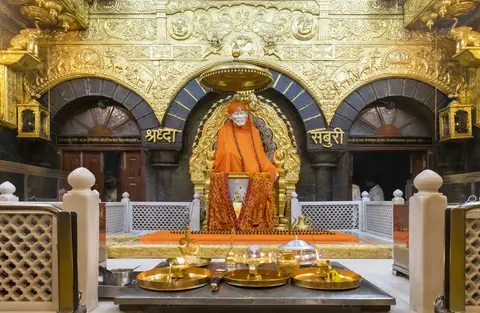 In the appShirdi Sai Baba Temple, MaharashtraShirdi, Rahata taluka, Ahilyanagar district, Maharashtra
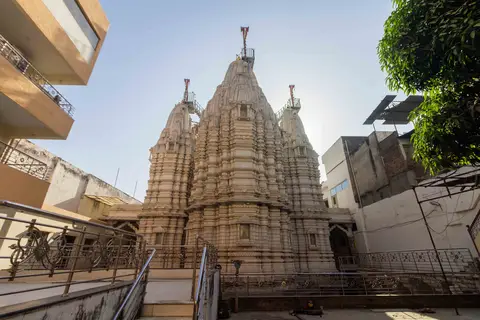 In the appAvanti Parshwanath Jain Tirth, UjjainDani Gate, Ujjain, Madhya Pradesh
 In the appBelur Math, West BengalBelur, Howrah district, West Bengal
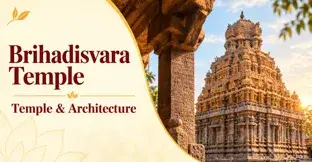 In the appBrihadeeswara Temple, ThanjavurThanjavur, Thanjavur district, Tamil Nadu
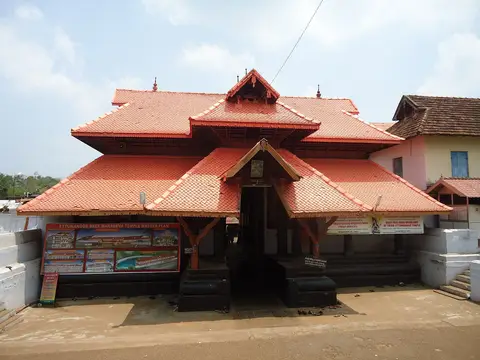 In the appEttumanoor Mahadeva Temple, EttumanoorEttumanoor, Kottayam district, Kerala