
Why devotees come here
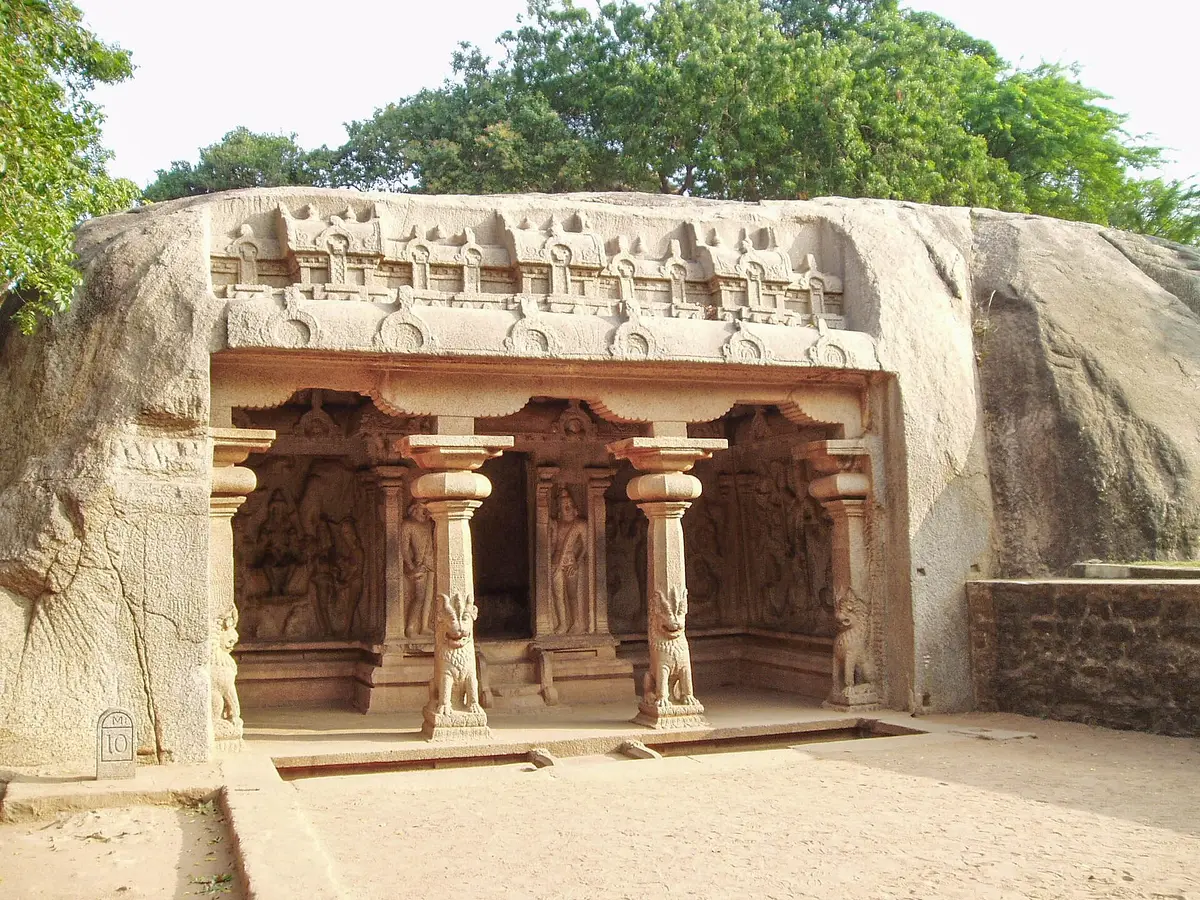
Varaha Cave Temple is a small rock-cut temple on the hills of Mahabalipuram town in Tamil Nadu. Its main sculpture shows Vishnu as Varaha, the boar, lifting Bhudevi, who personifies the earth, from the sea.
Legend says the demon Hiranyaksha took the Earth and sank it into the ocean's depths during the Samudra Manthan, the cosmic ocean churning. The main sculpture shows Vishnu as Varaha, the boar, lifting Bhudevi, who personifies the earth, out of the sea. Legend also says the Pallava king Narasimhavarman I, known as Mamalla, built the cave as a tribute to Vishnu.
The cave is an example of rock-cut architecture dating from the late 7th century. Its style developed under the Pallava kings Mahendra Varman I and Narasimhavarman I. The caves and rathas are attributed to Mamalla's reign, during the year 650 AD. The temple is part of the Group of Monuments at Mahabalipuram, a UNESCO World Heritage Site inscribed in 1984.
The temple is small and carved from one piece of pink granite. Its mandapa, or hall, is cut into the rock face. In Pallava style, the cave front consistently has finely carved columns set on seated lions. The large northern side-wall panel also shows Varaha lifting Bhudevi.
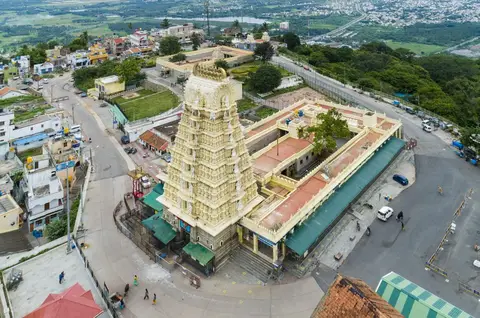 In the appChamundeshwari Temple, MysuruChamundi Hill, Mysuru, Karnataka
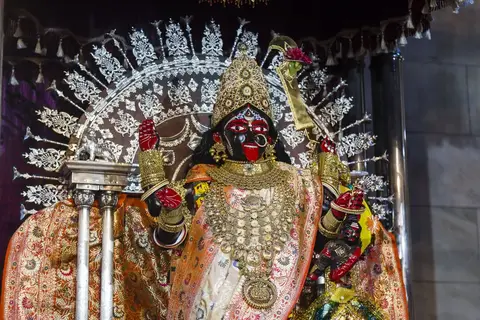 In the appDakshineswar Kali Temple, KolkataDakshineswar, North 24 Parganas, near Kolkata, West Bengal
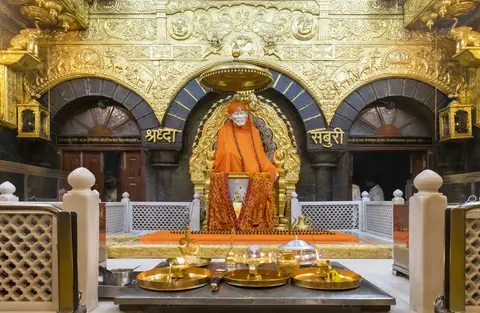 In the appShirdi Sai Baba Temple, MaharashtraShirdi, Rahata taluka, Ahilyanagar district, Maharashtra
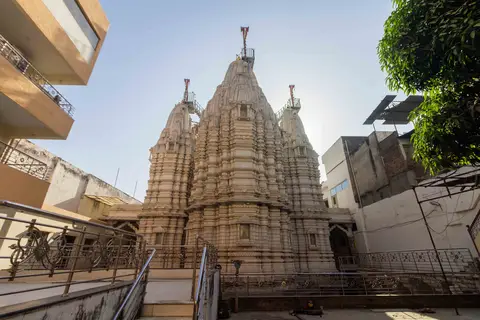 In the appAvanti Parshwanath Jain Tirth, UjjainDani Gate, Ujjain, Madhya Pradesh
 In the appBelur Math, West BengalBelur, Howrah district, West Bengal
 In the appBrihadeeswara Temple, ThanjavurThanjavur, Thanjavur district, Tamil Nadu
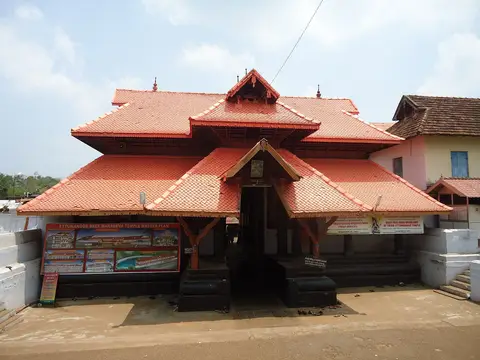 In the appEttumanoor Mahadeva Temple, EttumanoorEttumanoor, Kottayam district, Kerala