
Why devotees come here
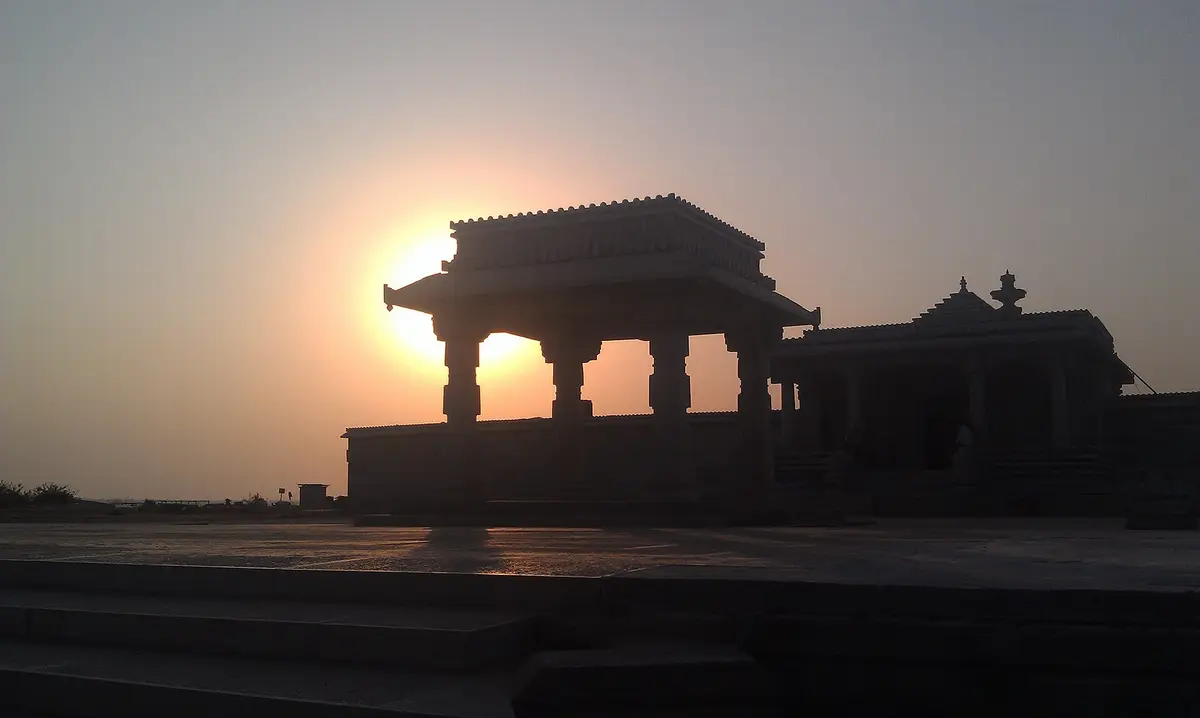
Venugopala Krishna Temple stands at Hosa Kannambadi, near the Krishna Raja Sagara dam in Mandya district, Karnataka. It is an example of Hoysala architecture, built in the 12th century. Visitors come for its story of submersion and relocation, and the temple was rebuilt after the original was submerged.
The temple is known for its story of submersion and relocation. That story has made it a tourist hotspot. It was built in the 12th century, around the same time as the Chennakesava Temple at Somanathapura in Mysore district. The main idol shows Venugopalaswamy, Krishna playing the flute as a cowherd.
By 1930, the first phase of the KRS dam was complete and all three temples at the original site were submerged. Before the water came, the main idol was shifted to a new temple in the rehabilitated village. The original complex covered around 50 acres and had a garbhagriha (sanctum), a vestibule, a middle hall and a main hall.
Every temple stone was removed and rebuilt at Hosa Kannambadi by trained artisans and sculptors. The new site is about one km north of the original. Restoration was completed in December 2011.
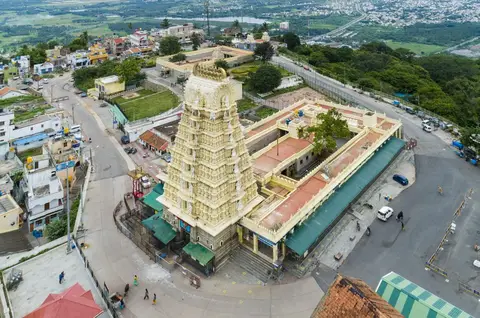 In the appChamundeshwari Temple, MysuruChamundi Hill, Mysuru, Karnataka
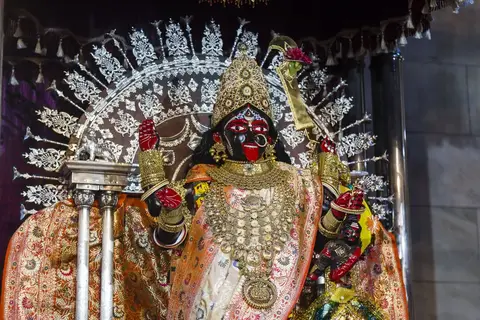 In the appDakshineswar Kali Temple, KolkataDakshineswar, North 24 Parganas, near Kolkata, West Bengal
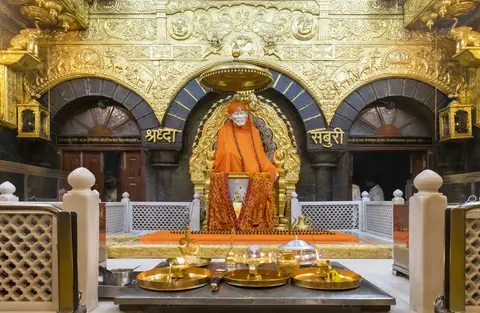 In the appShirdi Sai Baba Temple, MaharashtraShirdi, Rahata taluka, Ahilyanagar district, Maharashtra
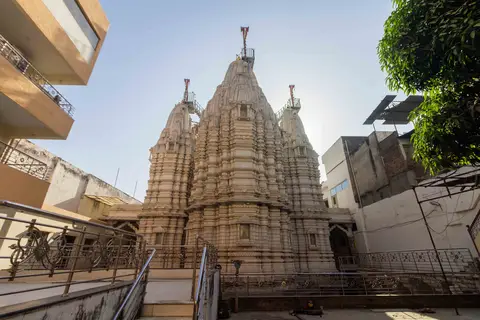 In the appAvanti Parshwanath Jain Tirth, UjjainDani Gate, Ujjain, Madhya Pradesh
 In the appBelur Math, West BengalBelur, Howrah district, West Bengal
 In the appBrihadeeswara Temple, ThanjavurThanjavur, Thanjavur district, Tamil Nadu
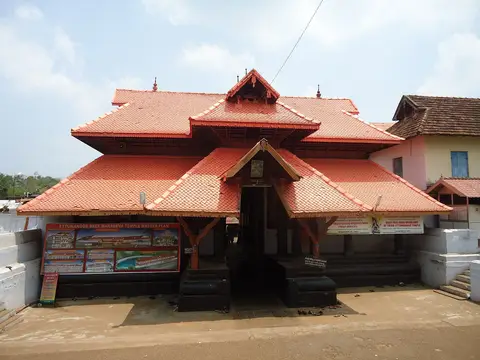 In the appEttumanoor Mahadeva Temple, EttumanoorEttumanoor, Kottayam district, Kerala