

Why devotees come here
Sharada Peeth stands on a hill in Sharda village, along the Neelum River. Kashmiri Pandits count it among their three holiest pilgrimage sites. It was once among the leading temple universities in South Asia.
Hindus count Sharada Peeth among the Maha Shakta pithas, where they believe the fallen right hand of Sati came to rest. Kashmiri Pandits believe the deity worshipped here is a threefold form of Shakti: Sharada, Saraswati and Vagdevi. Legend says the sage Shandilya prayed to Sharada with great devotion. She appeared to him and promised to show her divine form. A slab now covers the holy spring where she is believed to have appeared.
From the 6th to the 12th century CE, it was among the most prominent temple universities in South Asia. It was probably commissioned by Lalitaditya Muktapida, who ruled from 724 to 760 CE, though no definitive evidence supports this. One account dates its construction to the Kushan rule in the early 1st century.
The temple is built in the Kashmiri style with red sandstone, and its architecture closely resembles the Martand temple in Anantnag. By the 21st century the roof was gone and the interior was open to the weather. Maharaja Gulab Singh repaired the temple during Dogra rule. It fell into disuse after the India-Pakistan war of 1947 to 1948.
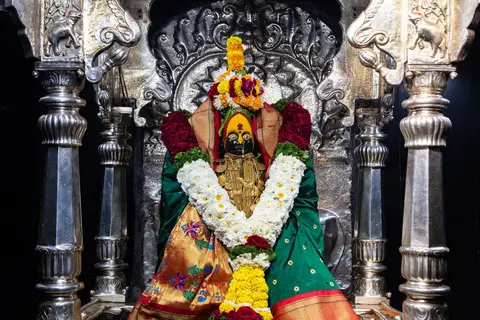 In the appTulja Bhavani Temple, TuljapurTuljapur, Dharashiv (Osmanabad) district, Maharashtra
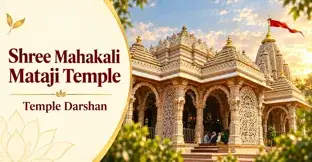 In the appMahakali Temple, PavagadhPavagadh Hill, Panchmahal district, Gujarat
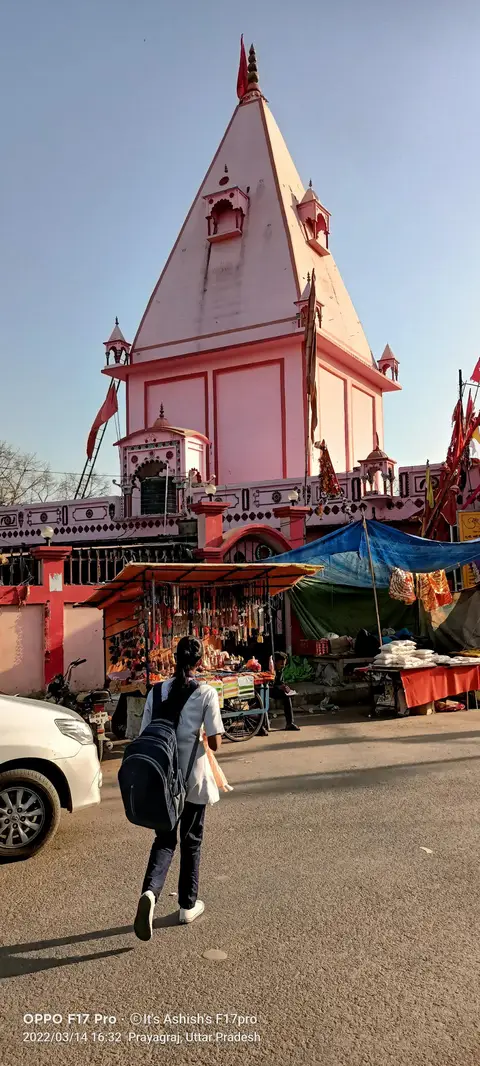 Alopi Devi Mandir, PrayagrajAlopibagh, Prayagraj district, Uttar Pradesh
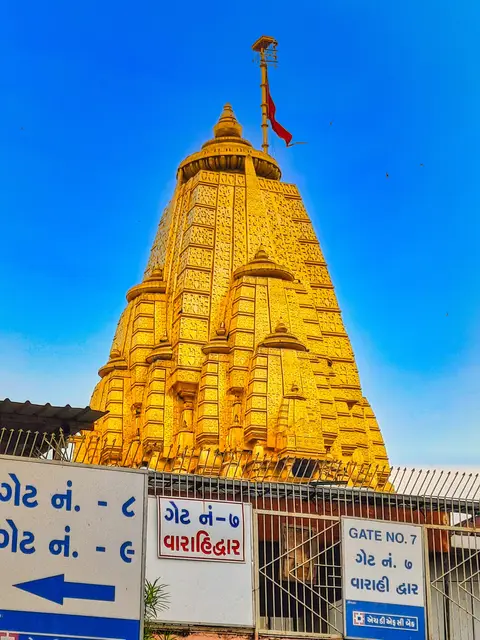 Ambaji Temple, GujaratAmbaji, Danta taluka, Banaskantha district, Gujarat
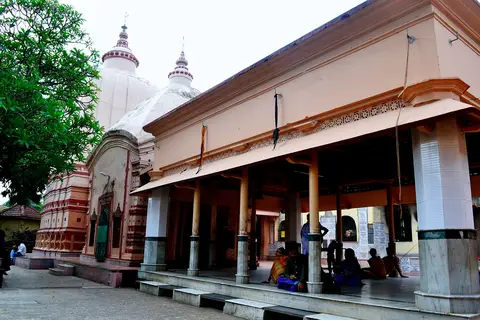 Bargabhima Temple, TamlukTamluk, Purba Medinipur district, West Bengal