
Why devotees come here
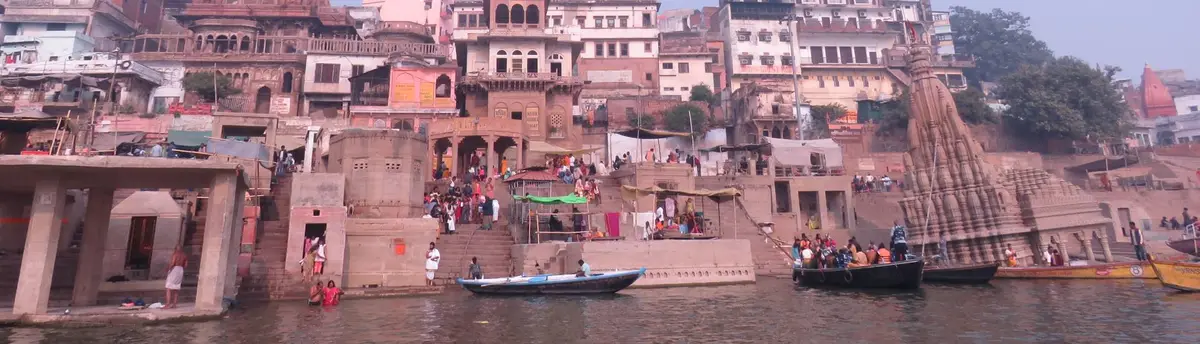
Manikarnika Ghat is the oldest stone ghat of Varanasi and the city's main cremation ground, the Mahashmashan. It is also a tirtha, with Vishnu's Chakra Pushkarini kund and the Tarakeshwar and leaning Ratneshwar temples of Shiva. Cremations go on day and night.
Manikarnika means a jewel of the ear. The Kashi Khand of the Skanda Purana says Vishnu dug a kund here with his Sudarshana Chakra and did long austerities beside it. When Shiva and Parvati came to see it, Shiva's jewelled earring fell into the water. Vishnu asked that this place grant mukti to all. The kund, called Chakra Pushkarini, is still at the ghat. Another tradition says the earring was Sati's.
Hindus believe that a soul cremated here attains moksha. The Dom attendants give each family fire from a flame that is never allowed to go out, so the pyres burn day and night. Pilgrims also begin and end the Panchkoshi Parikrama of Kashi here.
This was the first stone ghat of Varanasi, built in 1372. Bajirao Peshwa supported its rebuilding in 1735, and Ahilyabai Holkar in 1791. Below it stands Ratneshwar Mahadev, which leans about nine degrees and spends much of the year under water.
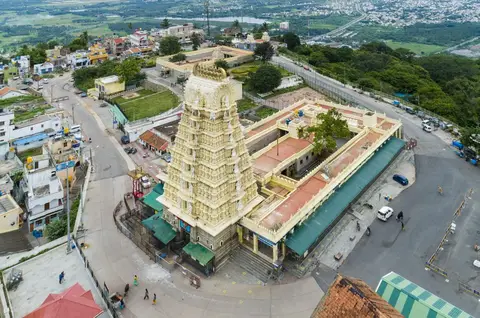 In the appChamundeshwari Temple, MysuruChamundi Hill, Mysuru, Karnataka
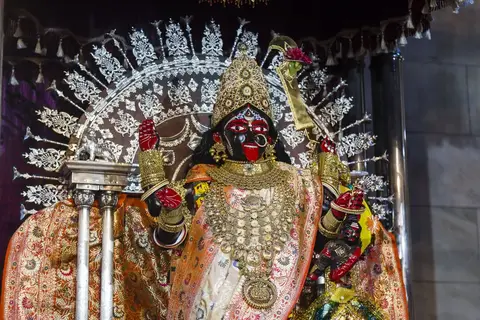 In the appDakshineswar Kali Temple, KolkataDakshineswar, North 24 Parganas, near Kolkata, West Bengal
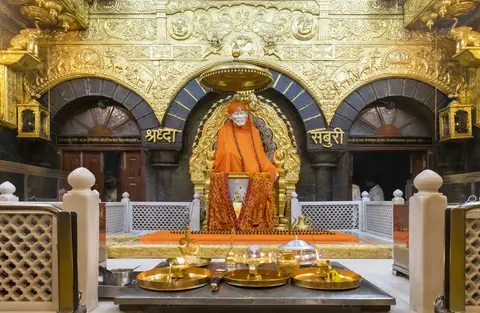 In the appShirdi Sai Baba Temple, MaharashtraShirdi, Rahata taluka, Ahilyanagar district, Maharashtra
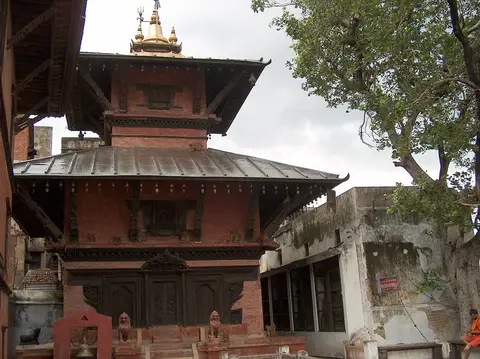 Nepali Temple, VaranasiVaranasi, Uttar Pradesh
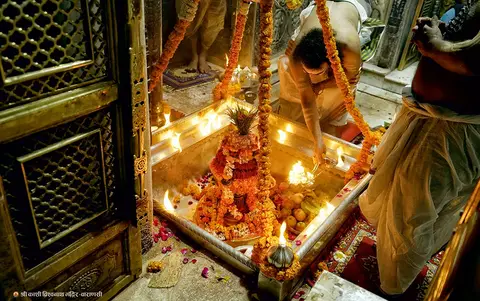 Kashi Vishwanath Temple, VaranasiVishwanath Gali, Varanasi, Uttar Pradesh
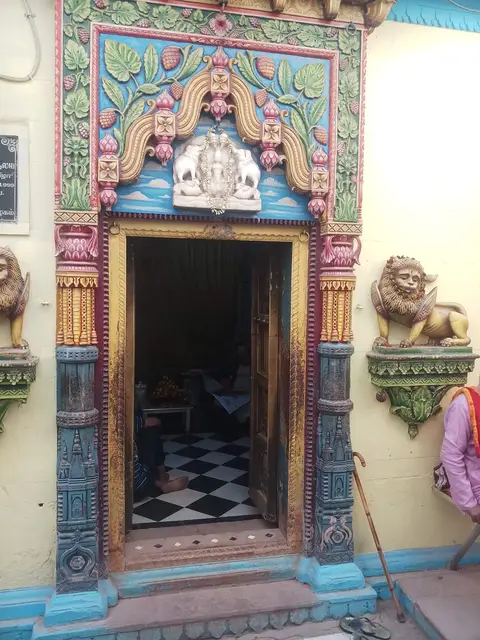 Vishalakshi Temple, VaranasiMir Ghat, Varanasi, Uttar Pradesh
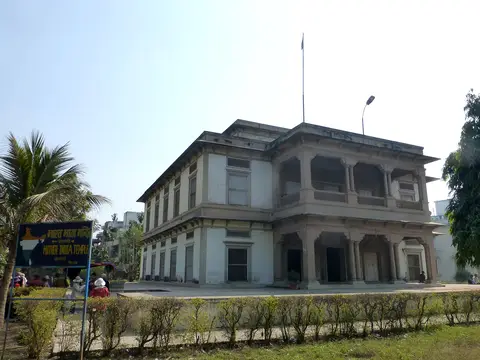 Bharat Mata Temple, VaranasiVaranasi, Varanasi district, Uttar Pradesh
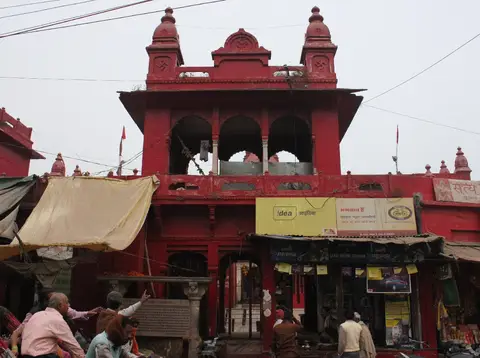 Durga Kund Temple, VaranasiVaranasi, Uttar Pradesh
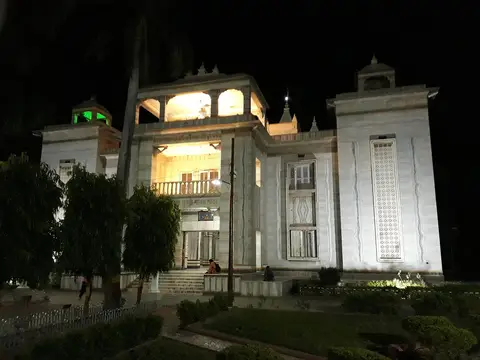 Tulsi Manas Mandir, VaranasiDurgakund, Varanasi, Uttar Pradesh