
Why devotees come here
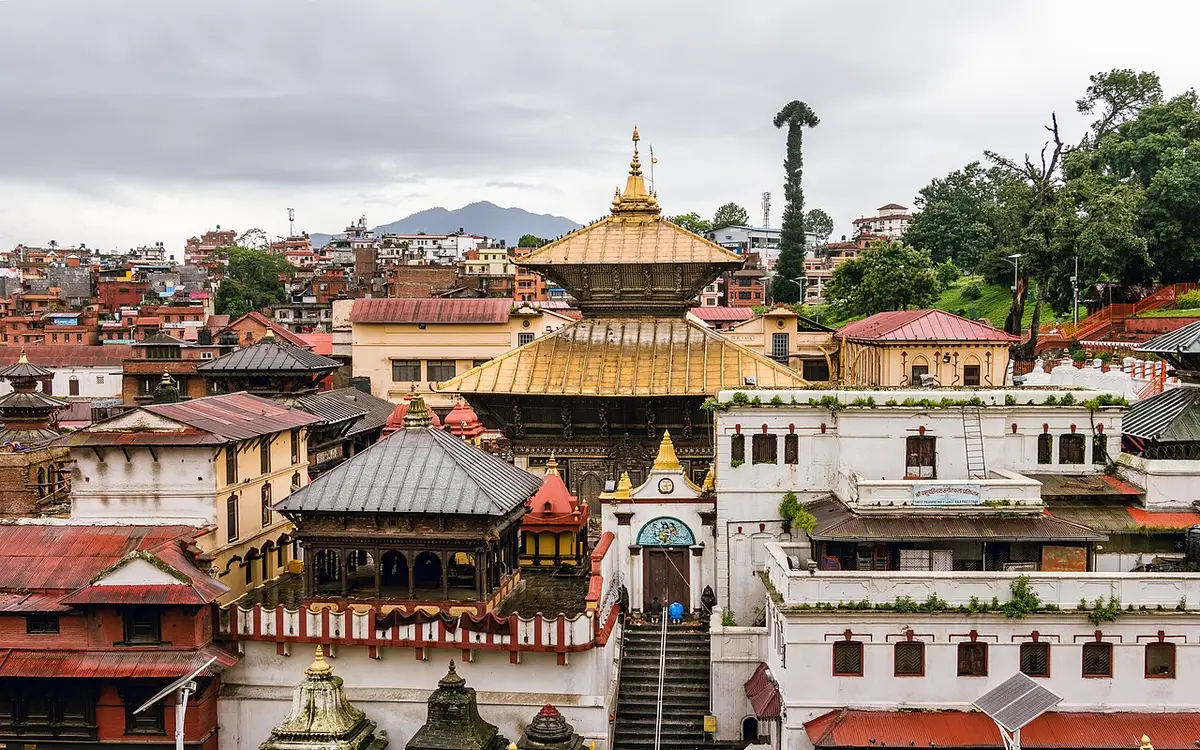
Pashupatinath Temple stands on the banks of the Bagmati river in Kathmandu, Nepal. It is the country's most revered Hindu temple, home to a five-faced linga of Shiva as Pashupati. The temple opens at 4 AM, and only Hindus may enter the main temple courtyard.
The name Pashupati means the master of all beings. The trust explains that a person bound by ignorance is like a pashu, and Pashupatinath is the one who frees them. The stone linga in the sanctum has five faces, for five aspects of Shiva. One legend says a cow kept pouring her milk on one spot in the forest, and the linga was found there.
The Shiva Purana links this temple to Kedarnath. When the Pandavas searched for Shiva, he hid as a bull and sank into the earth. His head appeared at Pashupatinath and his hump at Kedarnath.
Licchavi kings built the first pagoda temple, credited to King Supushpa Dev, and the Malla kings added shrines, ghats and rest houses. The temple has a two-tiered golden roof and four doors covered in silver. It became part of a UNESCO World Heritage Site in 1979, and its main temple came through the 2015 earthquake.
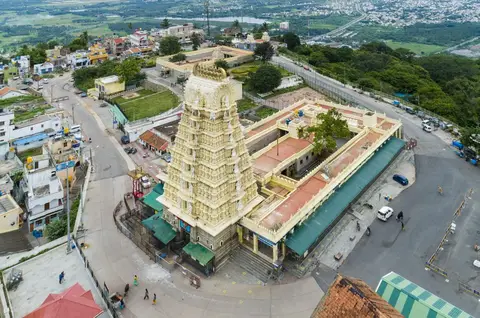 In the appChamundeshwari Temple, MysuruChamundi Hill, Mysuru, Karnataka
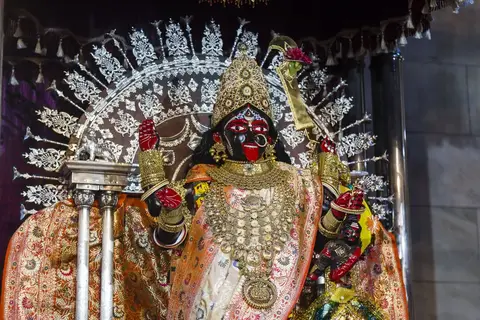 In the appDakshineswar Kali Temple, KolkataDakshineswar, North 24 Parganas, near Kolkata, West Bengal
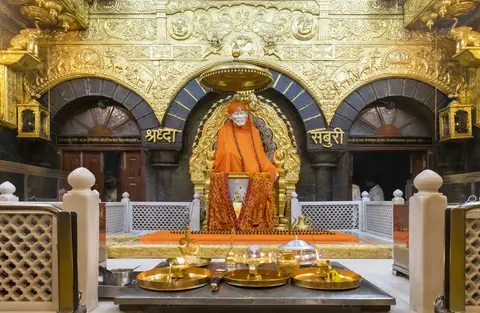 In the appShirdi Sai Baba Temple, MaharashtraShirdi, Rahata taluka, Ahilyanagar district, Maharashtra
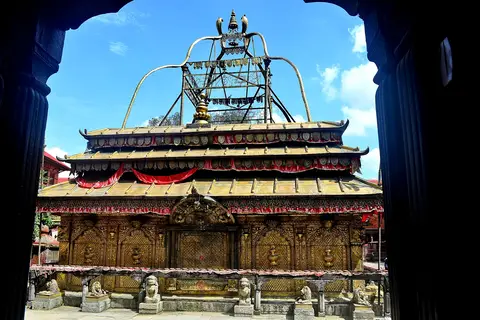 Guhyeshwari Temple, KathmanduKathmandu, Nepal
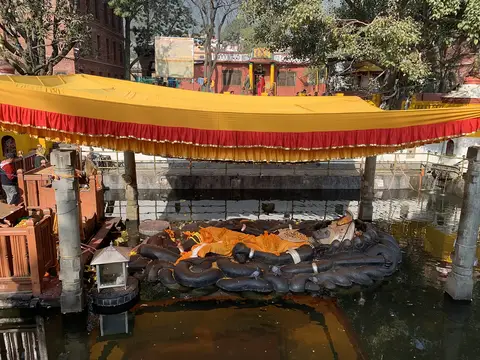 Budhanilkantha Temple, KathmanduBudhanilkantha, Kathmandu District, Nepal
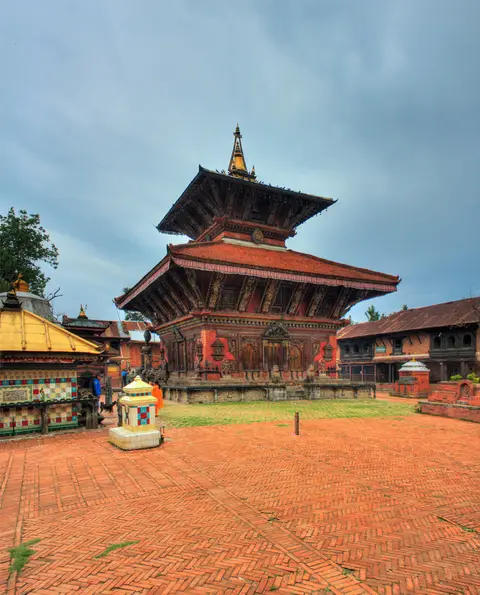 Changu Narayan Temple, ChangunarayanChangunarayan, Bhaktapur district, Nepal
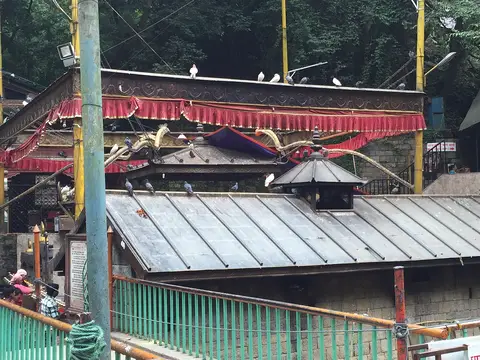 Dakshinkali Temple, PharpingPharping, Kathmandu district, Nepal
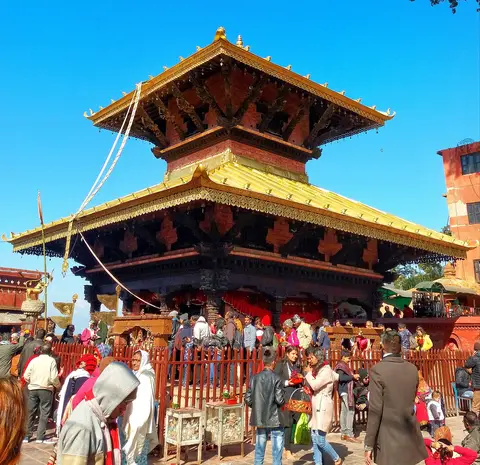 Manakamana Temple, ManakamanaManakamana, Gorkha district, Nepal
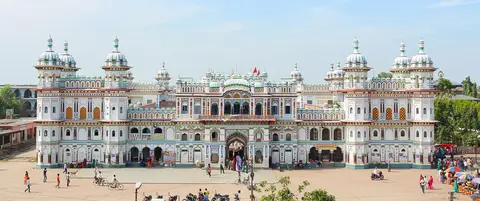 Janaki Mandir, JanakpurJanakpur, Madhes, Nepal